

Exploring the Pros and Cons of Using Hay Bells for Large Square Bales in Different Weather Conditions
Introduction
Hay bells, or hay feeders designed for large square bales, have gained popularity among horse owners for their efficiency and practicality. However, the impact of different weather conditions on these feeders is a crucial factor to consider for optimal use. This article will explore the pros and cons of using hay bells in various weather conditions.
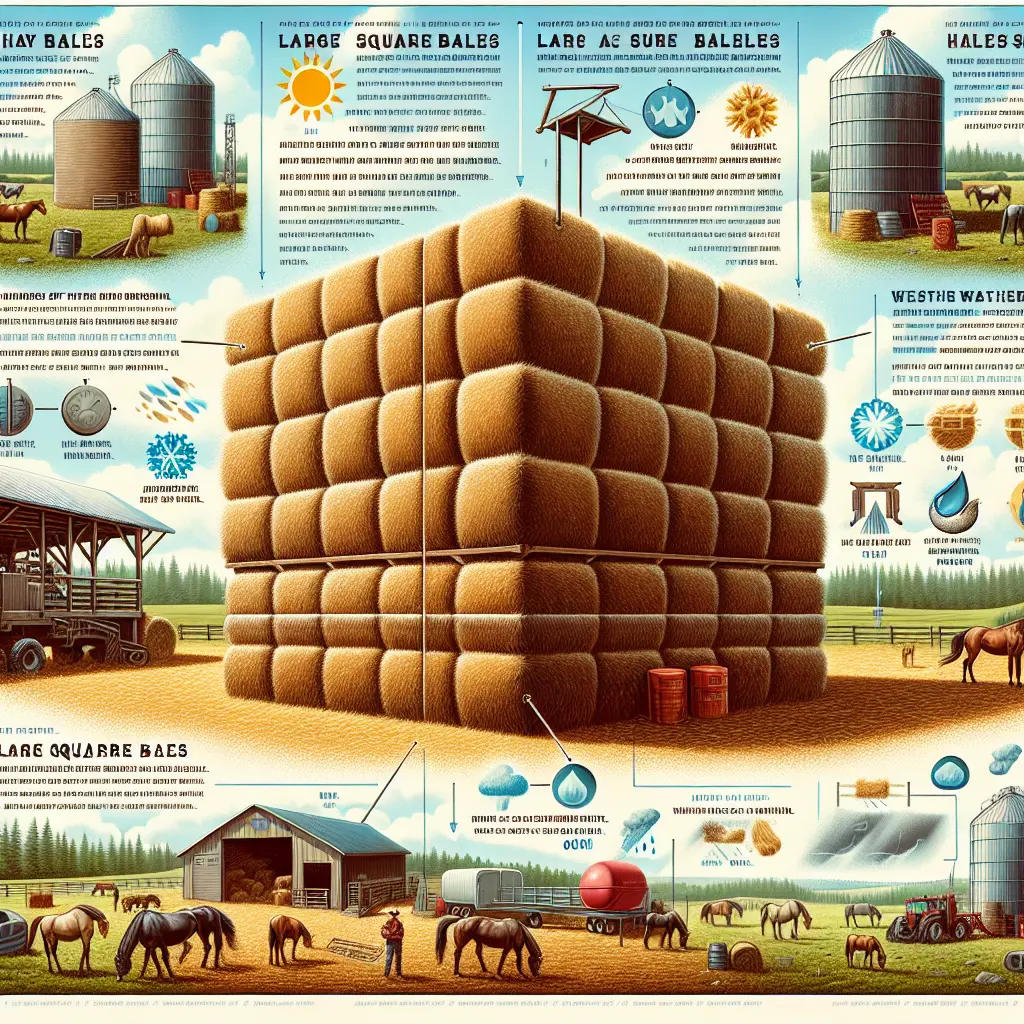
Overview of Large Square Bales
Large square bales are preferred by many horse owners due to their convenience and cost-effectiveness. Weighing between 600 to 1,500 pounds, large square bales offer substantial feeding portions for herds. Despite these advantages, they have a higher risk of spoilage compared to round bales due to their compact packaging, especially if not stored correctly.
Pros of Using Hay Bells for Large Square Bales
Efficiency in Feeding
Hay bells significantly reduce feed waste by allowing horses to graze naturally, preventing overeating. This efficiency is beneficial, particularly when managing a large herd, saving time and energy historically spent on frequent feeding and handling.
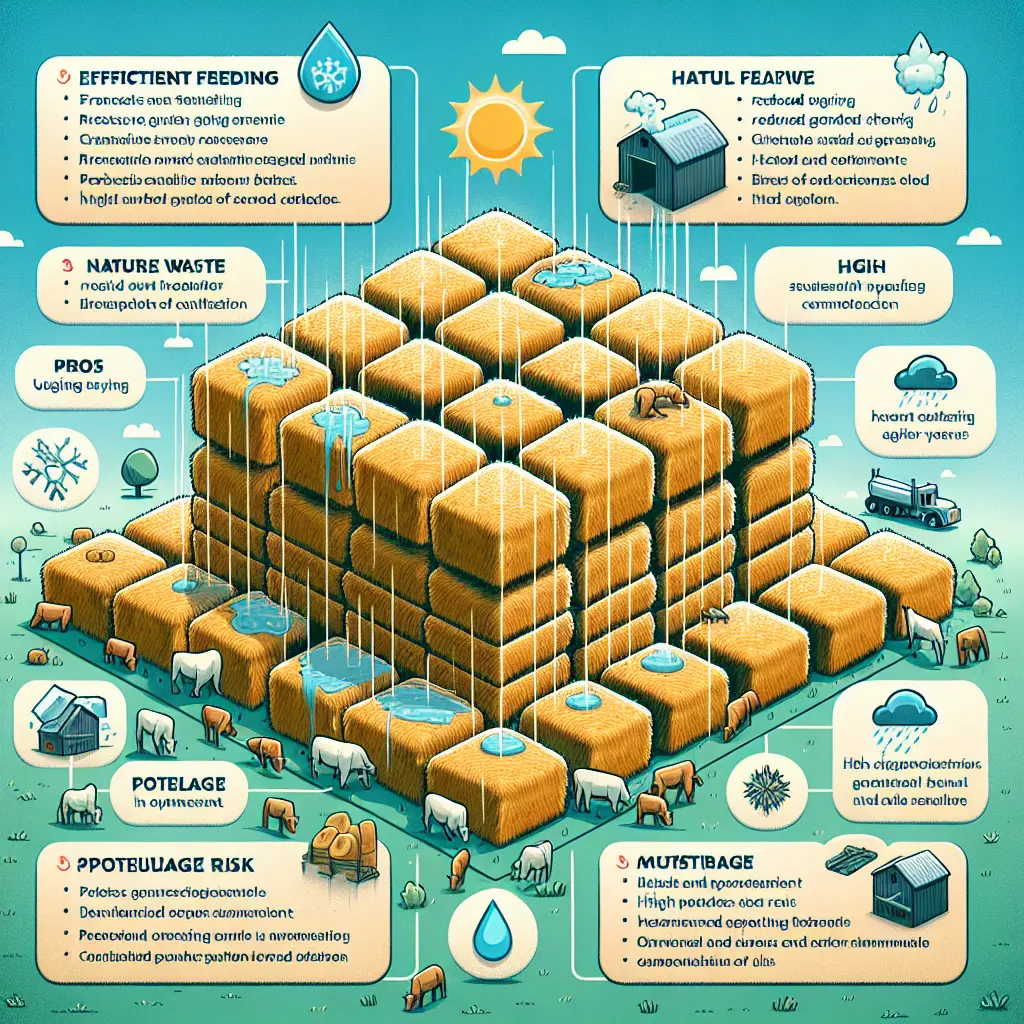
Weather Protection
While not a complete shelter, hay bells provide some protection from adverse weather conditions like rain and snow, helping to keep hay dry and reducing spoilage. This setup can preserve the quality of the feed significantly, although regular checks for mold and moisture are still essential.
Convenience in Cold Weather
During frigid temperatures, hay bells become particularly useful. They allow horse owners to feed without handling wet or frozen hay manually, easing winter feeding sessions when labor can be challenging. This feature makes them a practical choice during the colder months.
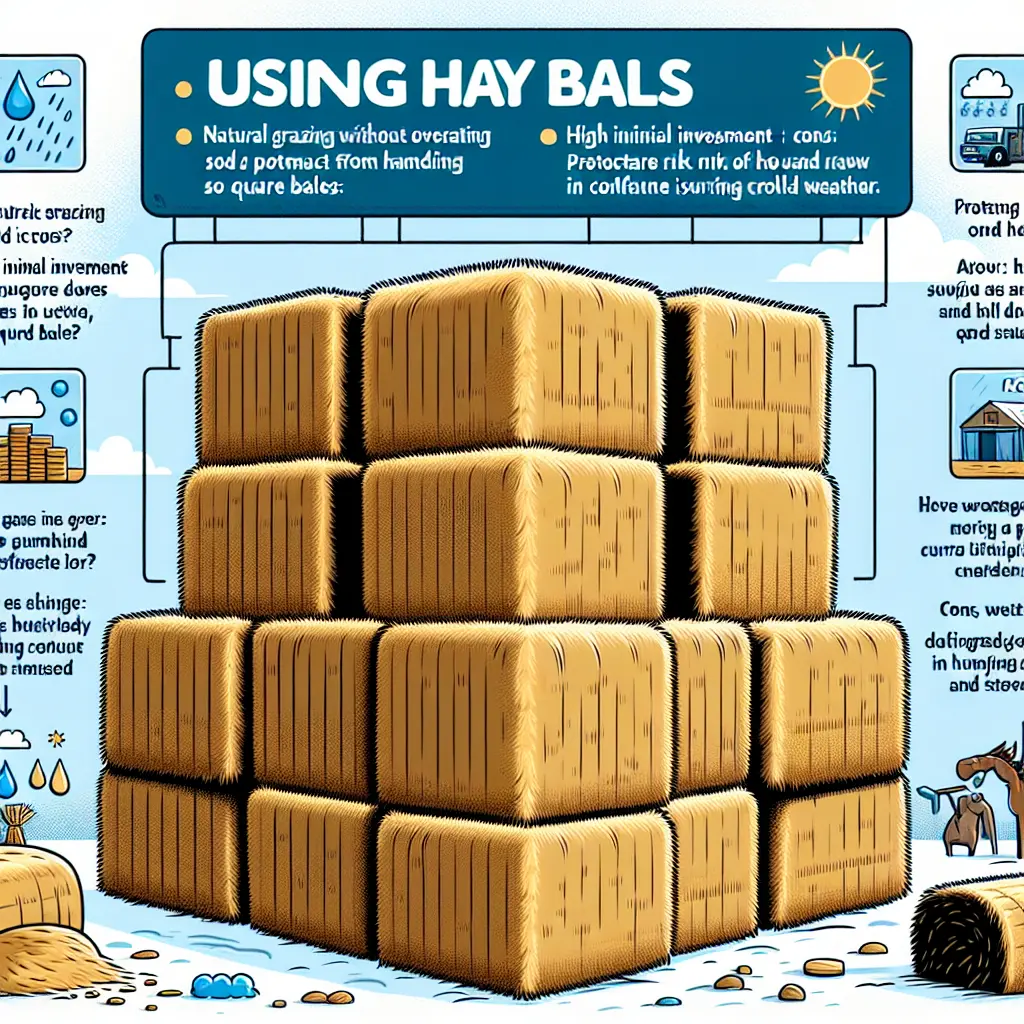
Cons of Using Hay Bells for Large Square Bales
Higher Initial Cost
A significant drawback of hay bells is their higher initial investment, especially compared to simpler feeders or the absence of a feeder. Nevertheless, they can offer long-term savings by minimizing feed wastage and manual labor requirements.
Spoilage Risk in Humid Conditions
Large square bales, particularly at a higher risk of spoilage, require vigilant inspection in humid conditions. Although hay bells offer some protection, consistently checking for mold is crucial to maintain the nutritional quality of the hay.
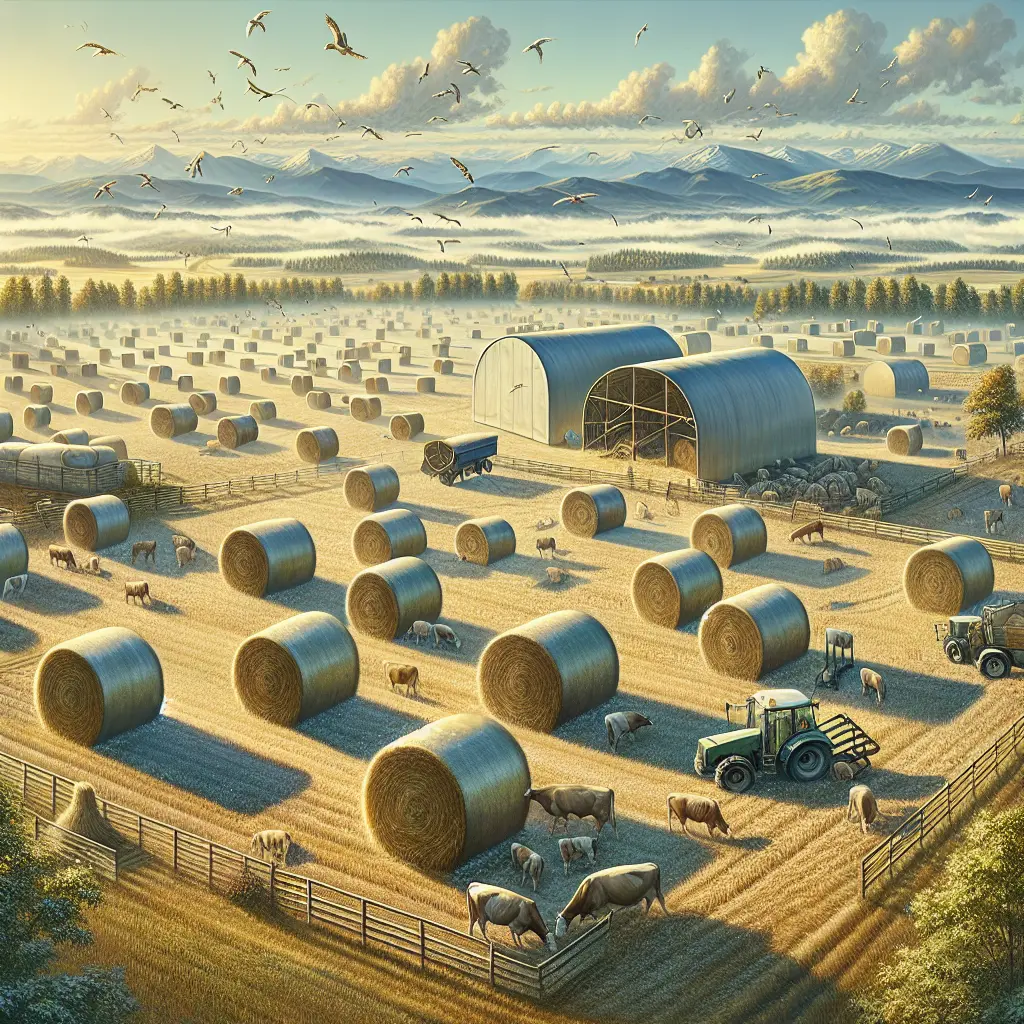
Handling and Storage Challenges
Managing large square bales demands substantial equipment and storage space, which can be a challenge for farms lacking such facilities. Proper preparation and resources are essential to integrate large square bales efficiently into a feeding regimen.
Weather Conditions and Hay Bells
Rain and Snow
Hay bells help mitigate the impact of rain and snow on hay quality. However, protecting the feeder from water exposure is crucial to prevent moldy hay. Proper sheltering within the feeder system enhances longevity and quality of the feed.
Extreme Heat or Dryness
In hot or dry weather, hay bells help maintain hay quality by shielding it from direct sunlight that can lead to excessive drying. This protection not only preserves the nutrients but also ensures the freshness of the feed.
Humidity
Humidity poses a challenge in maintaining hay quality. Regular checks for mold development in high humidity conditions are essential, as even hay protected by bells can succumb to the effects of moisture, affecting feed quality.
Conclusion
Hay bells for large square bales offer multiple benefits, including feeding efficiency, convenience, and partial weather protection. Despite the advantages, challenges like initial costs and humidity-related spoilage remain. Understanding these dynamics can assist horse owners in making informed decisions regarding hay feeder use in their specific climate.
For further insights into hay bale management, readers can explore Stable Rugs Collection or check out tips on protecting feed during diverse weather changes. Additional resources such as horse Turnout Rugs offer valuable information for keeping horses comfortable during adverse weather conditions.